
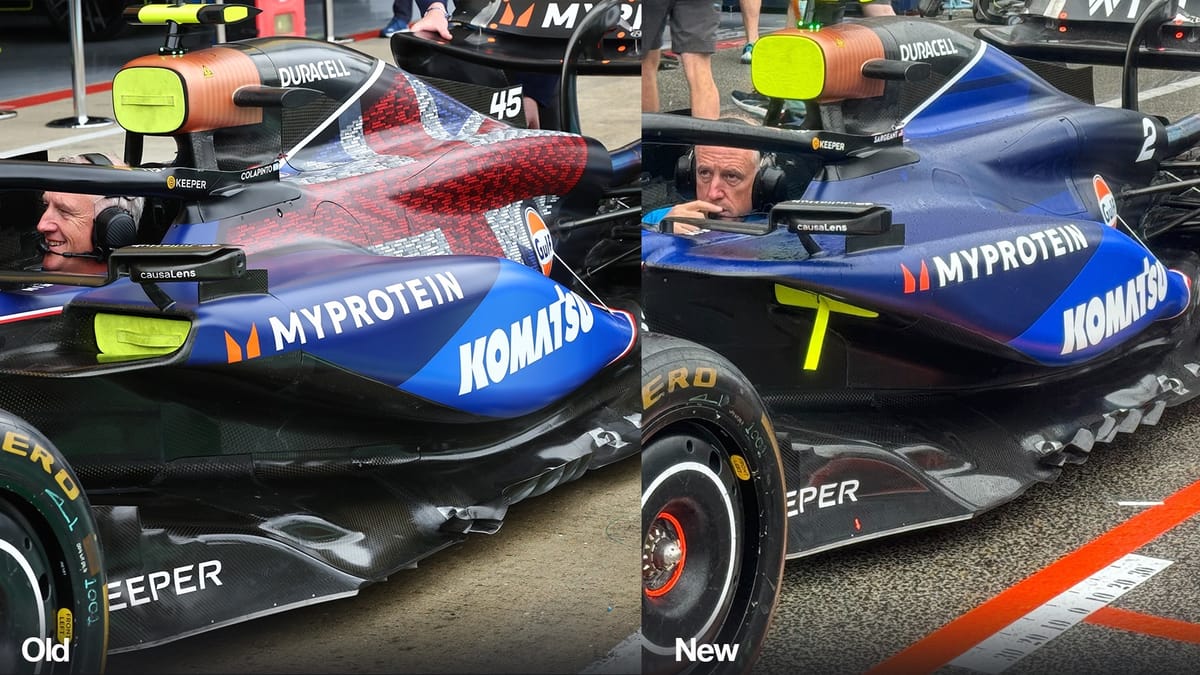
Williams Racing has made headlines by debuting what driver Alexander Albon calls "our first proper upgrade" of the 2024 Formula 1 season at the Zandvoort Circuit. The upgrade comes as the team seeks to enhance the aerodynamic performance of the FW46, which has primarily focused on weight reduction in the races prior to this significant development.
"We've got some good upgrades coming this weekend, we've got more coming down later, and they kind of go together - but they are split in terms of timings," Albon explained. "Nothing crazy, I think the second one is more about balance and the first one is more about load."
While Williams has made changes, the early part of the 2024 season has primarily involved reducing the car's weight rather than introducing new load-bearing components. Team principal James Vowles earlier noted that weight issues presented a significant time deficit. "On average, 10kg is equivalent to around 0.3s," Vowles said, adding, "We were losing four and a half tenths to weight."
This struggle to shed weight is critical in the competitive F1 landscape as teams aim to stay beneath the 798kg limit for optimal weight distribution. The monocoque of the FW46 has been improved and is now 14kg lighter than last season, but further reductions are needed on attached components, especially with the current upgrade focusing on new configurations for weight-saving.
"The main thing is the weight-saving. Any weight reduced as high as the rollover bar will not only pay a dividend on the actual laptime just from being lighter, but it also lowers the centre of gravity of the car," Vowles further explained. This shift could also help reduce tire degradation, an essential factor in race performance.
The team’s new aerodynamic package is characterized predominantly by modifications to the sidepod and its leading edge, which will benefit air flow management. This move echoes the innovations seen earlier in the season from teams like Red Bull, McLaren, and Ferrari. "The top of sidepod surface has now been extended further forward, which allows better management of the high-quality airflow that is going over this surface," Albon added.
A notable adjustment included reducing the sidepod gulley, leading to decreased airflow spillage at higher speeds, necessitating less flow management. This strategic change aims to streamline airflow over the components of the car, allowing further optimization of performance.
Although the changes might seem subtle from an external viewpoint, there are significant modifications underneath the FW46. These include revisions to the floor geometry and diffuser, aimed at maximizing downforce.
"The front floor corner exit vanes have been made more aggressive, allowing better airflow extraction in this area," an engineer familiar with the modifications mentioned. It is these nuanced tweaks that could ultimately lead to improvements in lap time and competitive positioning within the midfield group.
It remains to be seen how this first wave of upgrades will impact Williams’s performance on the track. Despite the team's recent struggles, Albon has managed to keep the car competitive at times this season. As the team tests these new enhancements, their success could dictate how Williams fares in the approaching races.
This upgrade package at Zandvoort marks a pivotal moment for Williams as they seek to strengthen their hold within the pack. The upcoming Azerbaijan/Singapore double-header will also see additional improvements, setting the stage for what could be a turning point in their season and aspirations of closing the gap to their competitors.
As fans and analysts keep a close eye on Williams, there's hope that these strategic upgrades will help the team compete more closely with midfield rivals, offering an exciting glimpse into their potential for the remainder of the season.