
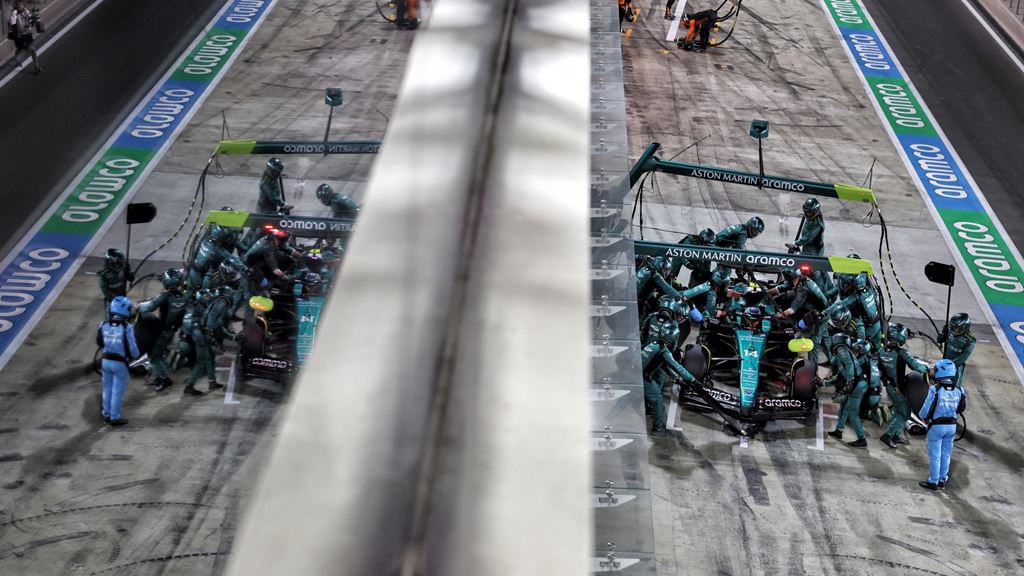
Formula 1 has witnessed a significant transformation regarding how teams upgrade their cars. Traditionally, teams introduced new components at specific intervals throughout the season. However, recent seasons have seen a dramatic shift where new parts appear almost every race weekend, driven by the relentless pursuit of performance and competitive advantage.
Former F1 engineer Gemma Hatton details this evolution, noting the impact of various factors including cost caps, sprint races, and the diverse array of circuits faced throughout the season. "It’s a battle of development,” said Andrea Stella, McLaren team principal. “These developments may be very visible, where you come with an aerodynamic upgrade, which we declare in the submissions [to the FIA]. Or there's some other minor things that you can deliver from a mechanical or even aerodynamic point of view which hopefully bring a few milliseconds."
A car upgrade in Formula 1 is defined as any addition or change made to enhance the car's capabilities. This can range from major components like a new front wing to subtle enhancements under the skin, such as modifications to the cooling system or gearbox. Teams often roll out a suite of new parts collectively, termed an upgrade package. For instance, McLaren's package introduced during the 2024 Miami Grand Prix included revised brake ducts and a reworked rear wing among others.
Historically, teams would produce substantial upgrade packages at predetermined times throughout the Formula 1 calendar. The timeline of racing logistics dictated this pattern, which featured a similar race calendar each year. The season would typically commence in Australia, followed by several flyaway races before heading into Europe for a series of races. Post the initial leg of flyaway races, teams returned to their bases to analyze performance data, allowing them to plan necessary improvements for the European rounds.
One former senior performance engineer explained, “The introduction of upgrades also depends on the different characteristics of the circuits. There are four main packages you need to suit all the tracks throughout the season.” Races like the British Grand Prix, which often fell in the middle of the calendar, provided an optimal opportunity for teams to introduce new components since they could stay at their home base longer.
With a mix of logistical challenges and varying track demands, teams had to adapt their upgrade strategies accordingly. “In addition to the standard set-up, teams need a low downforce package to minimize drag at Monza. Circuits like Monaco and Mexico demand a high downforce configuration, and teams will also run an intermediate downforce level at Spa, Montreal, and Baku,” the engineer elaborated.
However, as the competition intensified and regulations changed, the implementation of upgrades has transformed significantly. The onset of cost control measures has necessitated teams to be more strategic in their upgrade paths, blending efficiency with performance optimizations.
Stella noted, “With this new rhythm of our racing calendar and the technological advancements at our disposal, we’re constantly assessing our methodology. Each weekend holds the potential for improvement, making every event important in our journey to the front.”
The trend of frequent upgrades underlines a broader commitment to innovation within the sport. Teams now find that they can react quickly to performance data, enabling them to implement changes that enhance their vehicle's performance rapidly. The implications of these upgrades become vital as every millisecond counts on the track.
In conclusion, the emphasis on mechanical and aerodynamic enhancements within Formula 1 underscores a competitive race against time and technology. As teams adapt their strategies amidst evolving regulations and circuit challenges, the landscape of car upgrades will only continue to change, shaping the future of racing.