
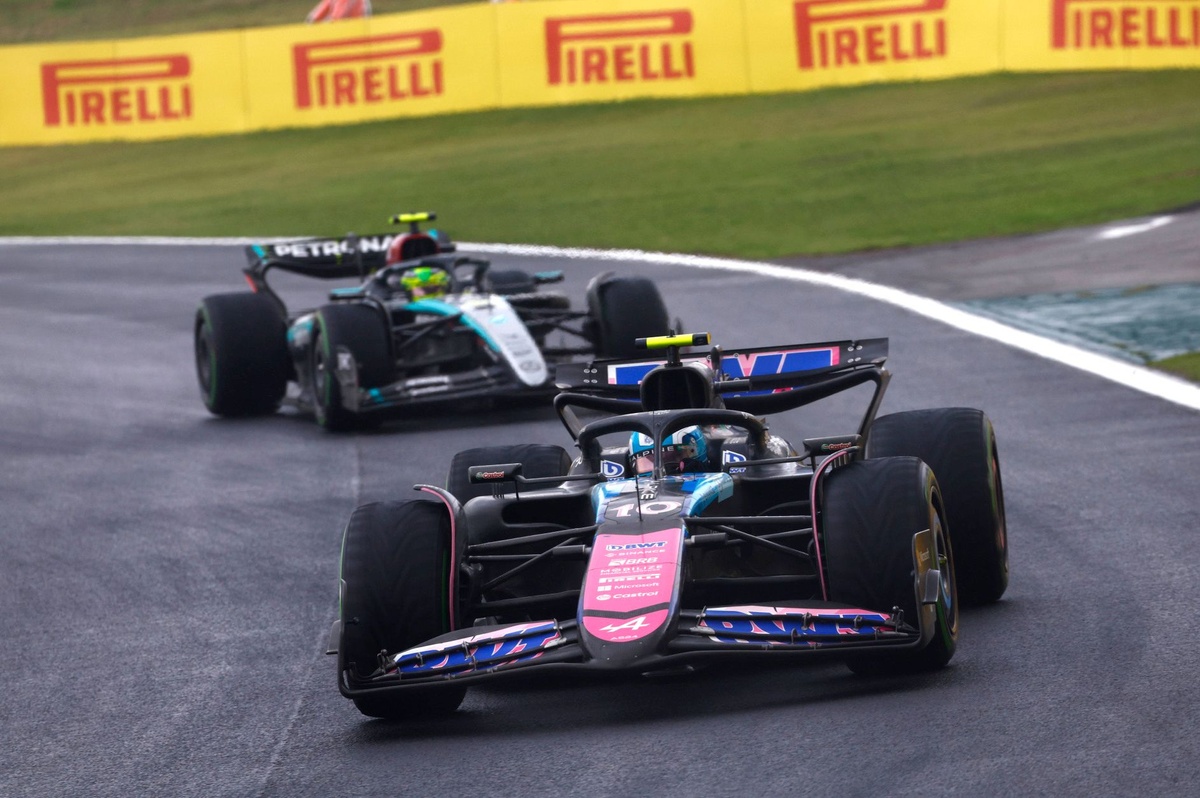
In a major development for the F1 landscape, Alpine has confirmed its partnership with Mercedes for power units starting in the 2026 season. This decision marks a pivotal transition away from developing its own engines, a strategy that has been in place since the inception of the team.
The announcement came following a meeting within Alpine's parent company, Renault, which took place at the end of September. Renault had been advancing its own engine development in Viry-Chatillon, intending to build new units to comply with the upcoming F1 regulations overhaul. However, the company opted to pivot its direction, as revealed in the team's official statement.
"We are excited to announce this new partnership," said Alpine team principal Otmar Szafnauer. The move aligns the team with one of the most successful manufacturers in recent F1 history.
The discussions surrounding this switch were not spontaneous. It was reported that Renault’s chief, Luca de Meo, and his consultant, Flavio Briatore, had already initiated talks to establish Alpine as a customer team for Mercedes. "We believe this relationship will enhance our competitive edge in the championship," added Szafnauer, reflecting optimism about the future.
Mercedes has a reputation for excellence in engine performance, which could provide Alpine with a significant boost. The Mercedes power unit has been credited with supporting numerous championship-winning campaigns over the past decade, which raises expectations for Alpine as they aim to establish themselves as a potent contender in Formula 1.
The switch to Mercedes engines signifies a substantial change not only in Alpine's technical direction but also in its competitive strategy. According to de Meo, this transition reflects their commitment to finding new pathways to success amid evolving regulations. "We have decided that aligning with a proven partner is crucial for our ambitions moving forward," de Meo stated during the announcement.
This announcement also aligns with broader changes in Formula 1 as the governing body introduces new technical regulations for sustainability and performance. With the shift to hybrid engines that includes a greater emphasis on electrical power, the necessity for a strong engine partnership cannot be overstated.
"This is the dawn of a new chapter for Alpine," commented Briatore. The strategic alignment with Mercedes comes as other teams are also reevaluating their engine partnerships in light of the upcoming regulations.
As Alpine phases out its in-house engine program, the resources that were previously dedicated to engine development will likely be redirected towards enhancing aerodynamics and chassis performance. "We will focus on creating a balanced package that leverages Mercedes' strengths while refining our own capabilities," Szafnauer stated.
Looking ahead, the shift to Mercedes could reshape Alpine’s fortunes in the coming years. As the team prepares for this pivotal change, there will be a mix of anticipation and pressure as expectations rise in accordance with their new partnership.
Overall, the decision to switch to Mercedes engines is a significant transformation for Alpine, underlining their strategic need to enhance their on-track competitiveness in a changing Formula 1 environment. With a new engine partnership at the forefront, Alpine is poised to embark on a new era as they aim for a stronger presence in motorsport's most elite circuit.